Dr Pragya Agawal
40 over 40
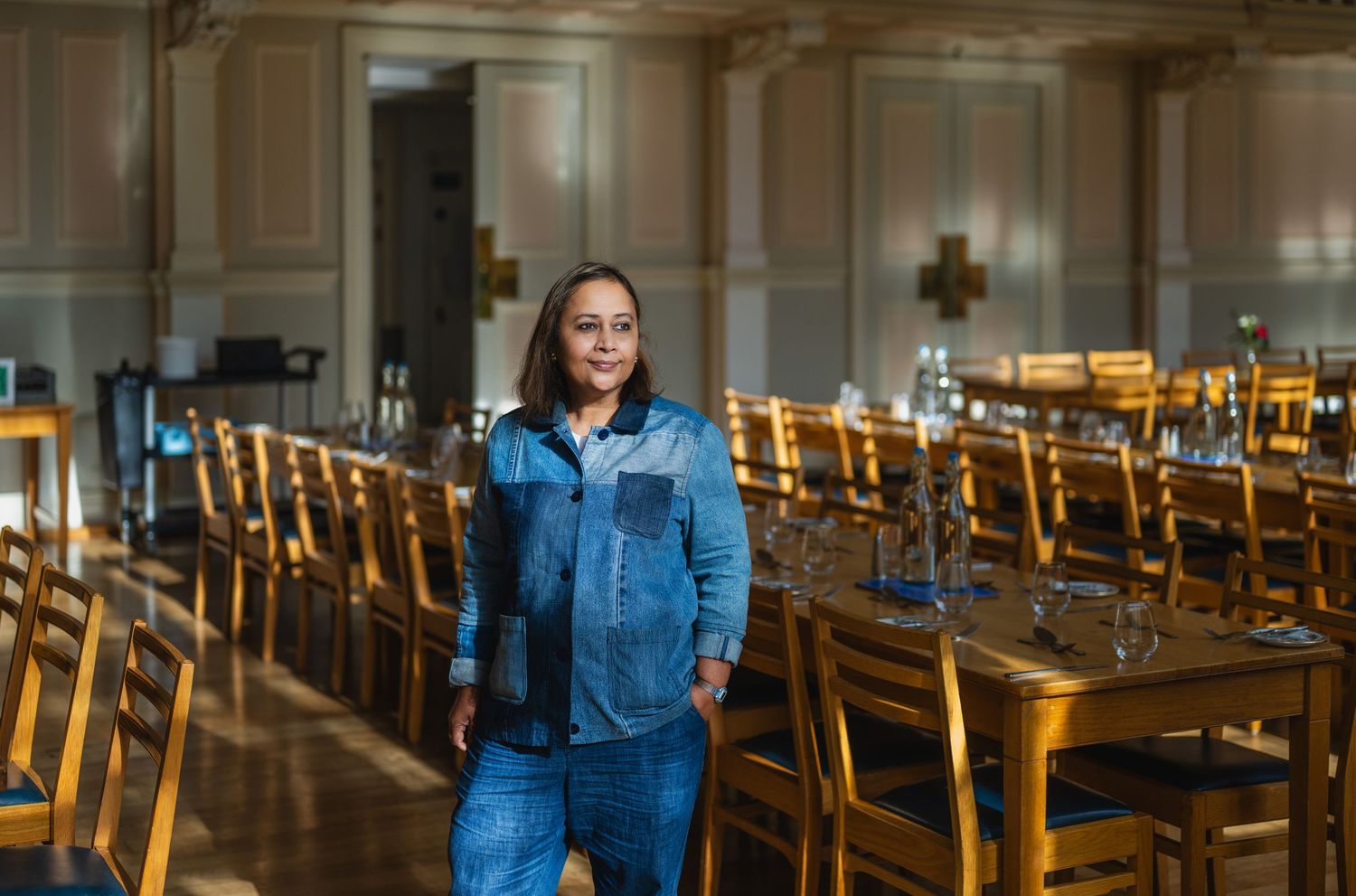
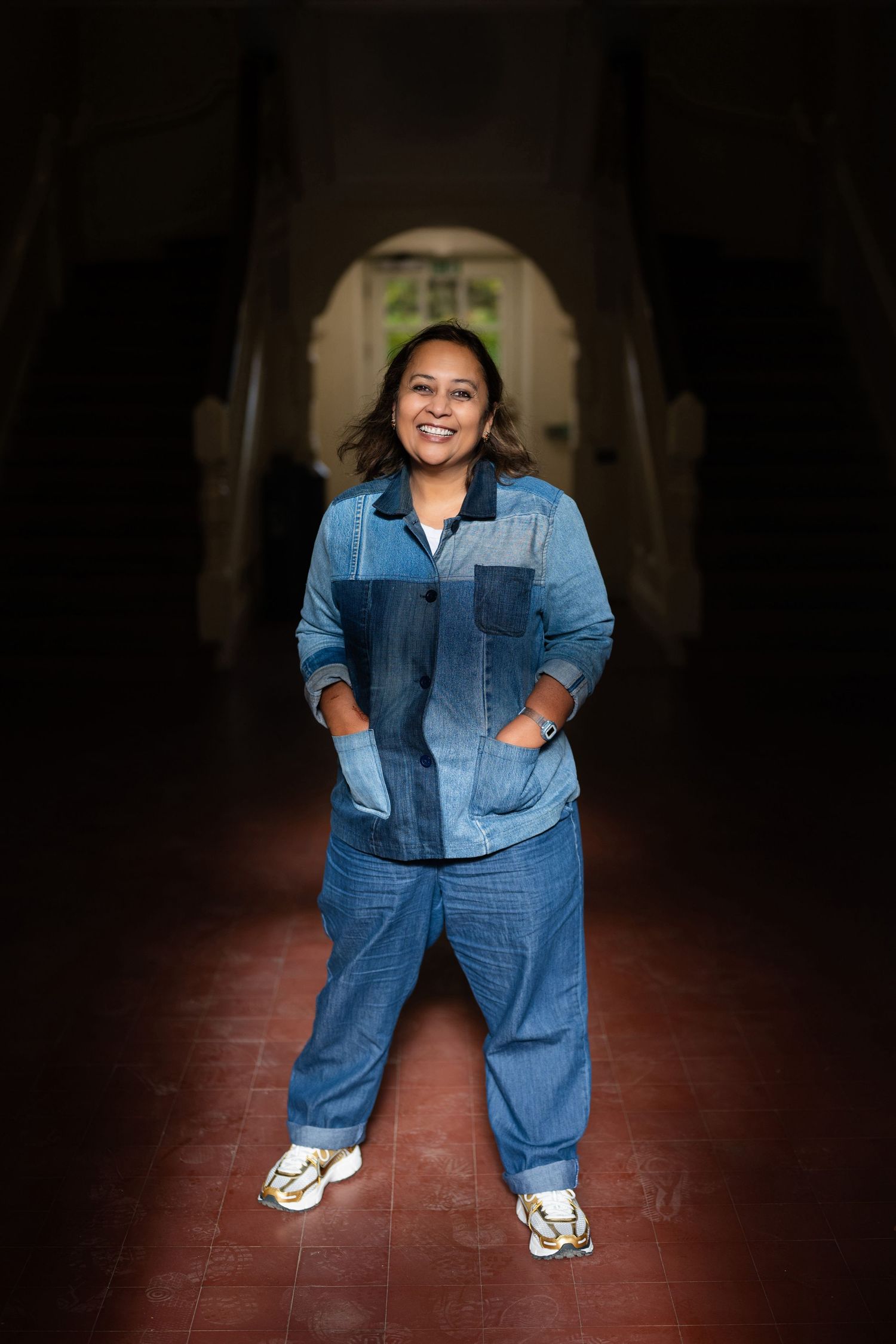
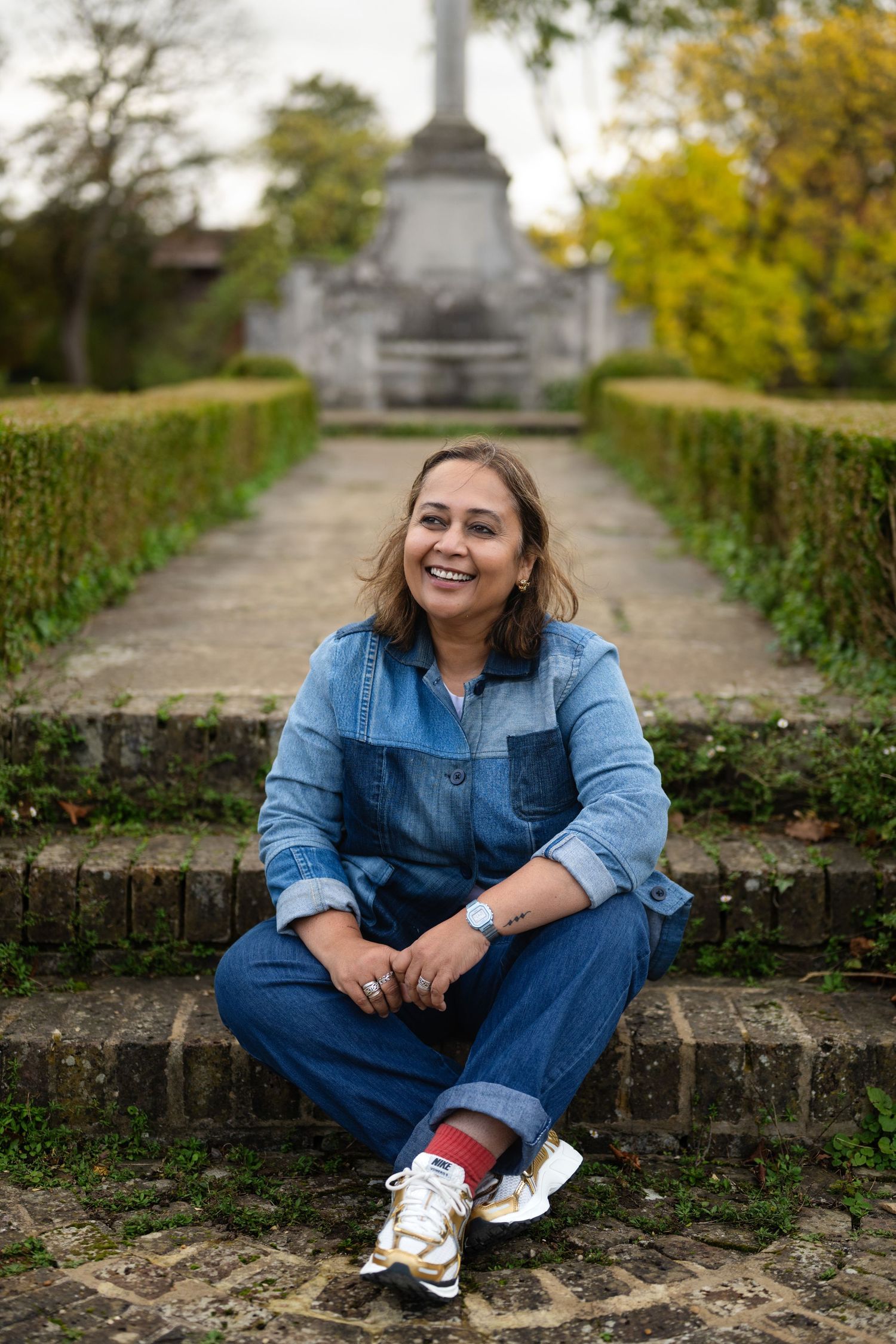
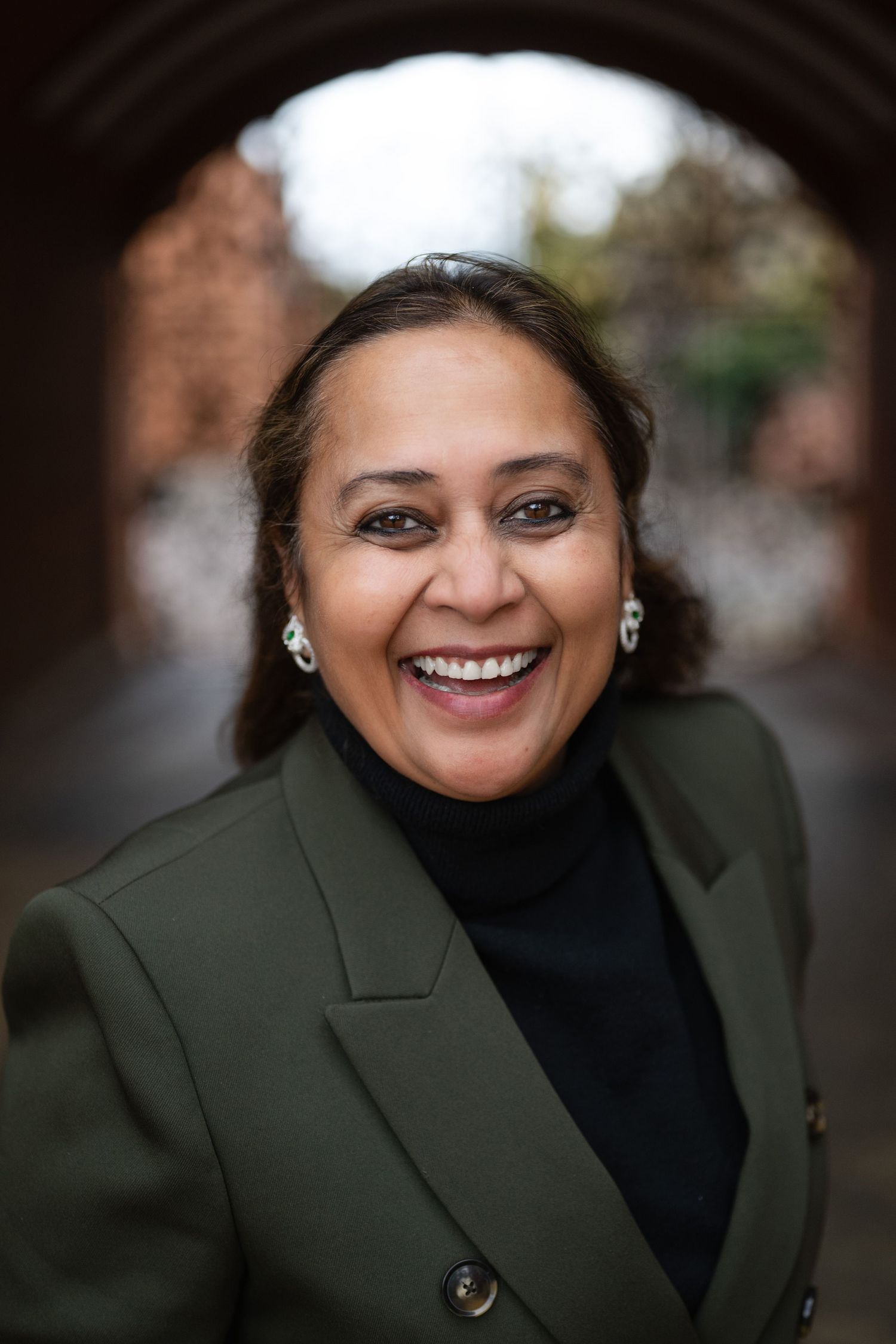
Meet Dr Pragya Agawal, founder of the 50 percent Project, a research think-tank dedicated to investigating global gender and inequalities. She has built a career around asking the questions that matter most about feminism and social justice.
She is the author of four widely acclaimed non fiction books, and has been recognised with the Transmission Prize for making complex scientific ideas accessible to broader audiences.
Her work covers unconscious bias and racial literacy to reproductive justice, motherhood and healthcare inequality. Books like Sway, Hysterical and (M)motherhood have earned her a place among the most compelling feminist voices writing today.
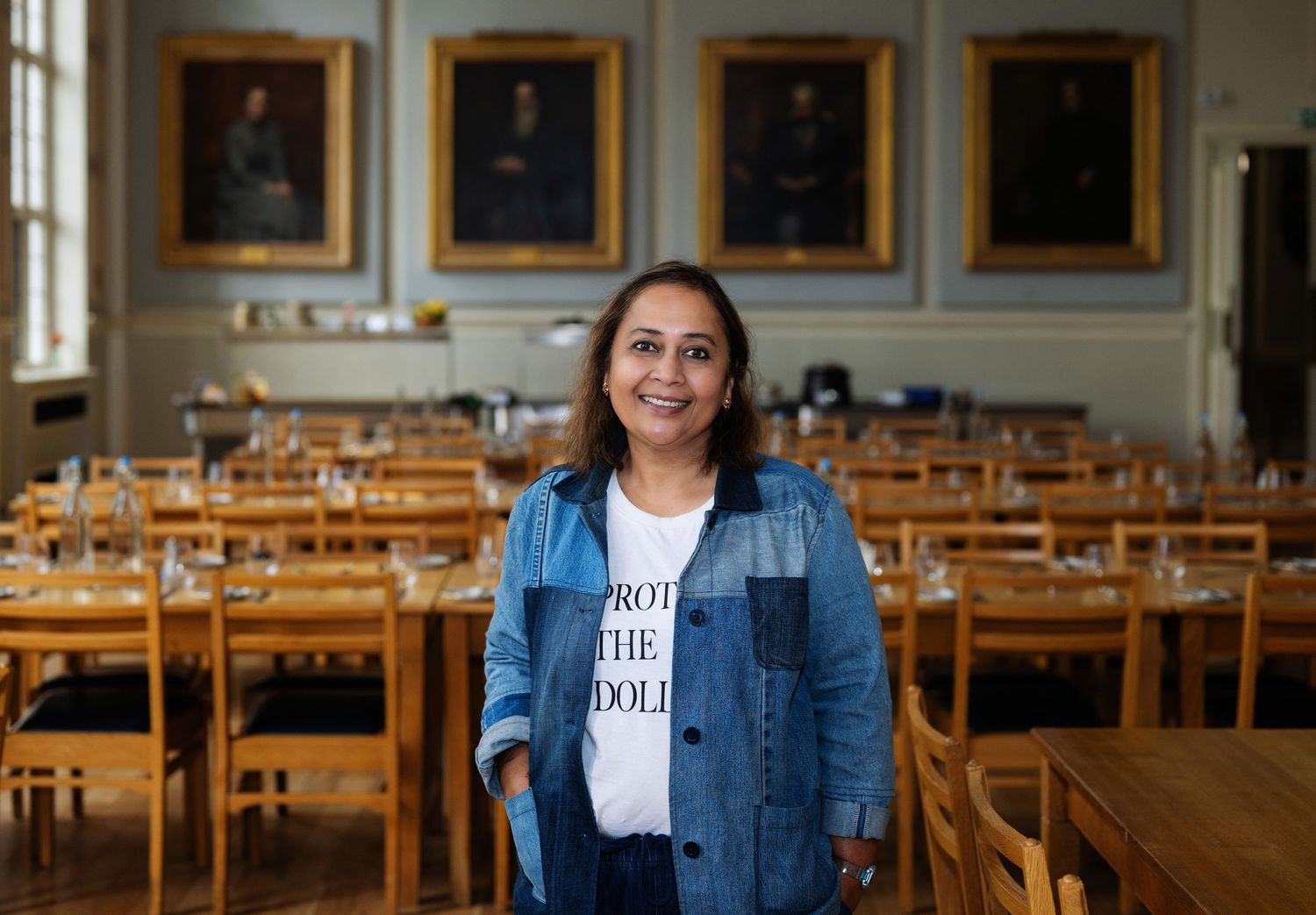
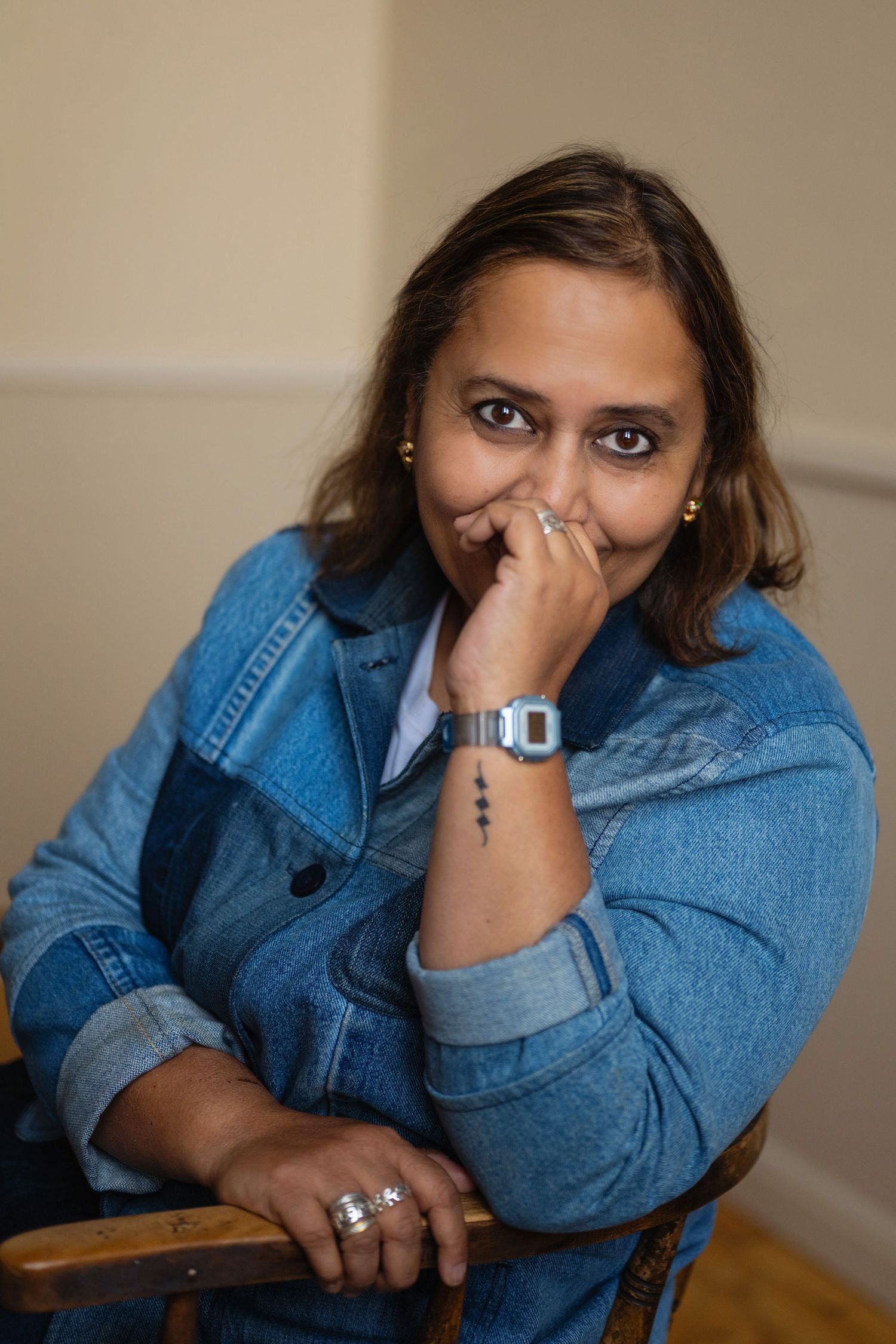
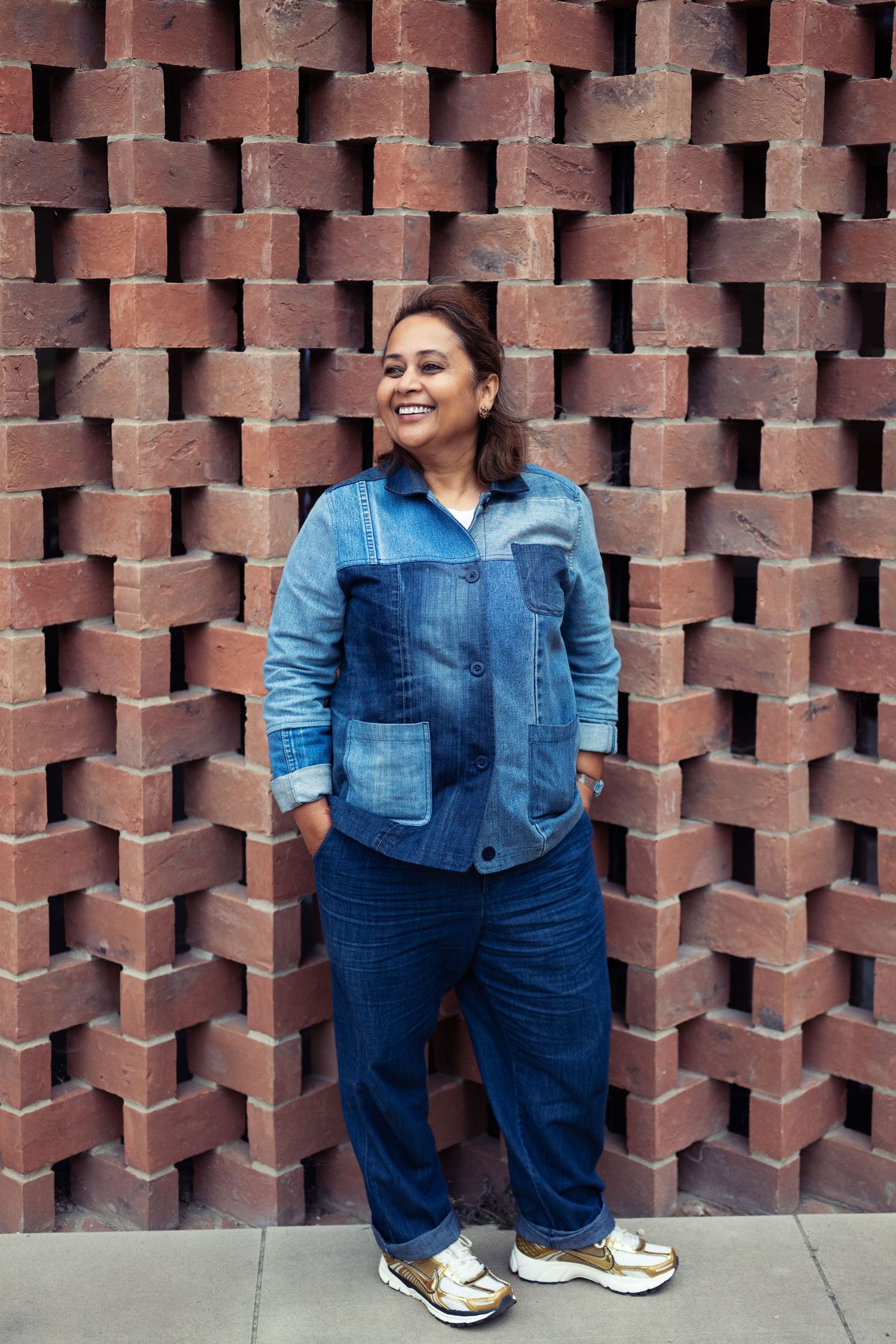
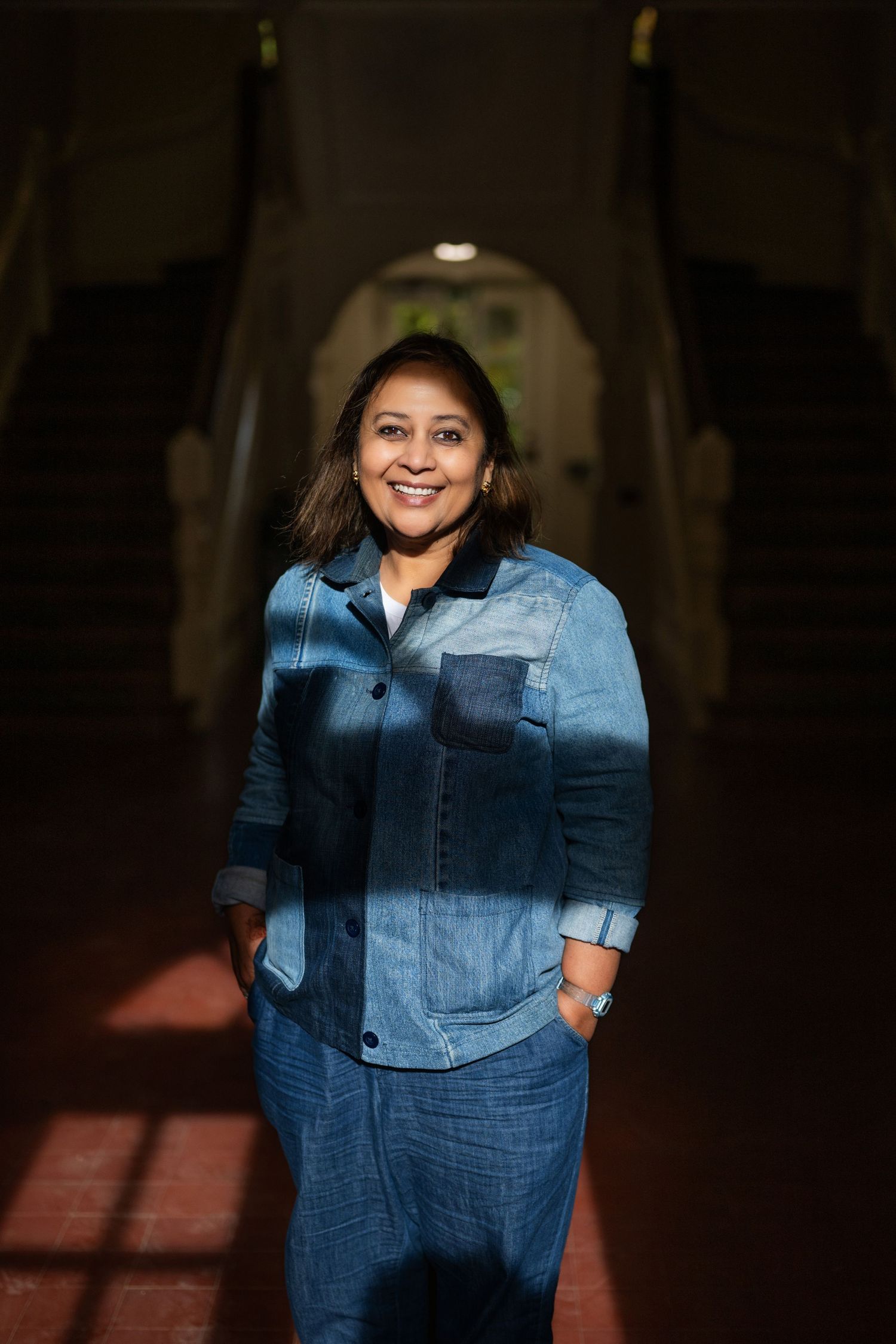
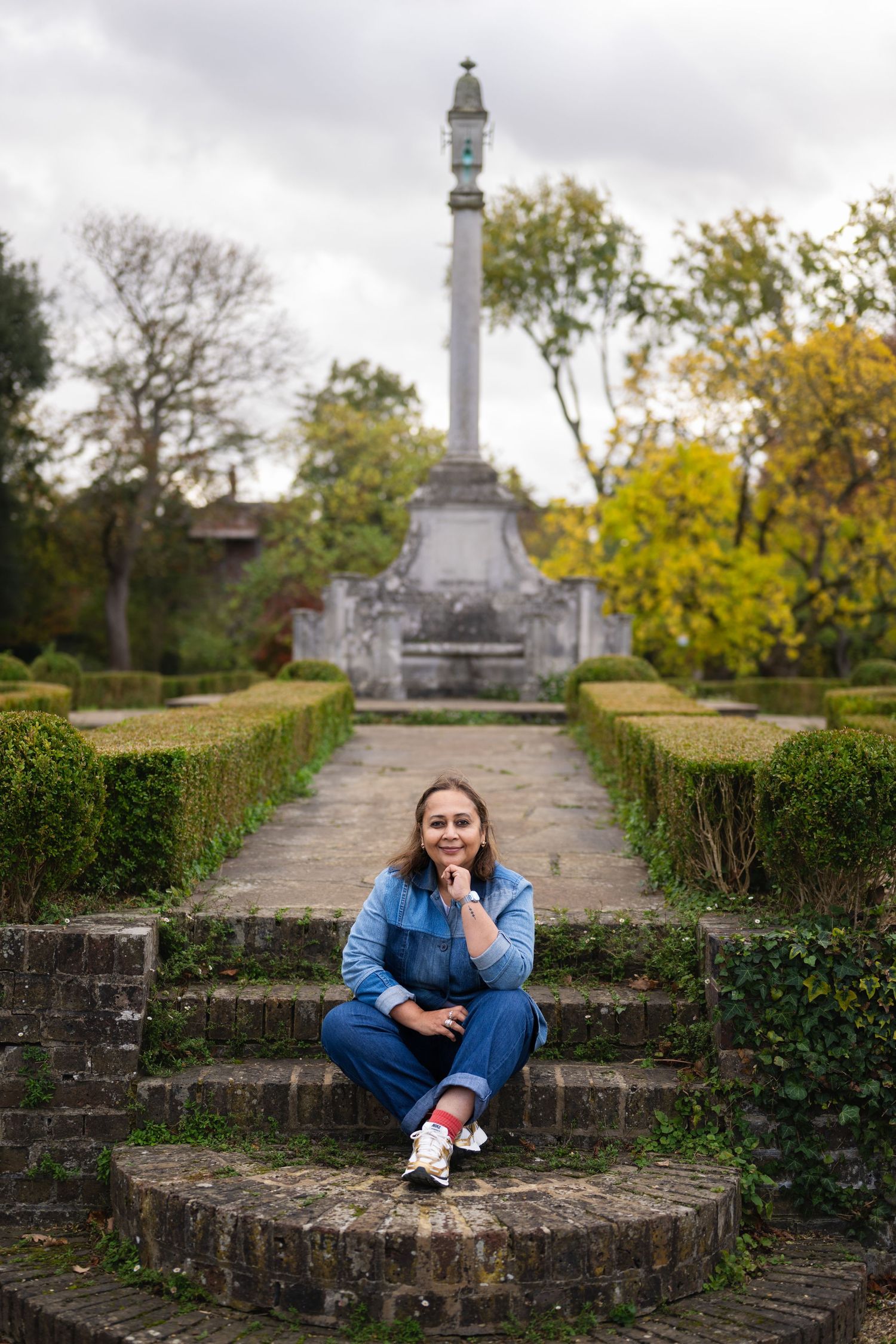
She is currently a Visiting Professor of Social Inequalities and Injustice at Loughborough University and a Royal Literary Fund Fellow at Newnham College, University of Cambridge where I met and photographed her.
Pragya reminds us with her writing that every story matters, and that's why she's the perfect woman to be featured in my 40 OVER 40 project.
Who have your role models been in your life and why.
I am not sure I've had a specific role model. I admire so many people, so many women for different things, and this changes through life. I think that as we grow and evolve, our life goals change too, and we find inspiration in different people. These role models don't always have to be those who are famous or well-known. For instance, right now I admire the woman who cleans our house once a fortnight for her smile, for her ability to clean other people's homes (I hate even cleaning my own!) and for her resilience. She might not have a choice, but she is taking control of her life and working hard to give her children the best start in life. I recognise and empathise with this immigrant struggle.
How would you describe your work and academic interests to someone who doesn’t know who you are.
My work lies at the intersection of geography, sociology and technology. I examine the way biases and inequalities have been shaped by history, and I am interested in what happens in our brains to enable stereotypes and prejudices, and how these biases affect society and individuals. I am particularly interested in marginalisation and resistance through history, and the way these biases are shaping AI, algorithms and digital spaces.
Are you plotting a new book and if so what can you tell us about it?
I am writing a new books hopefully out in early 2027. It is about power and history of women, but I cannot really say any more right now. I like holding on to a book until it is ready to go out in the world and takes a new life of its own.
Where do you think your passion for your work comes from?
There is a really long response to this. The short answer might be a mix of just who I am and where I grew up. When I was three or four years old I decided I wanted to be a heart surgeon and go and work in villages in India to help those who couldn't afford to pay for surgery. I was a really precocious child and perhaps I always had a deep desire to help others who didn't have the same privileges as me. That has translated into my work, but also shaped by my life experiences growing up in India, by seeing injustices and inequalities around me, coming to the UK as a young single mother, being here as an immigrant, a brown woman, knowing I would always have to fight the system that wasn't designed with me in mind. I didn't come from money, and I had nothing to fall back on ever. I want to create inter-generational wealth of a new kind- not in form of money necessarily but in form of knowledge systems that sustains societies- but I also want to open up the space for everyone else who has been pushed to the fringes, to acknowledge their struggles, to leverage any privilege that I have created for myself and pass on this sense of social responsibility to my children.
How are you finding the ageing process and do you have any thoughts on all the cosmetic surgery/procedures being marketed to women these days?
God it is a whole thing, isn't it. Some days I hate it when I feel the age in my bones, and don't feel as sharp or fit, and wonder why I didn't value all this more when I was younger, and why I hated my body then. I should have taken more photos of myself, maybe more nude photos too! Ha. But other times I am so grateful to be growing older, where I have gathered so many experiences and am wiser, and care less about what people think about me. I feel stronger in myself and I am grateful that I am still here. It is a privilege. As for cosmetic surgery and all the ageing creams, I hate that our capitalist society is making money off something as natural as ageing. I hate the ageism that permeates our society, and how women face these pressures so much more than women, and how older women are discriminated against in the workplace. It is terrifying how younger women are fetishised and exploited, but in the process the fear of growing older is sown deep inside us so we try and halt this process for as long as we can.
How have you found raising 3 daughters in light of the work you do. Has your academic work influenced you as a mother?
I feel like I have been mothering all my life. My mothering has influenced my academic work, and my academic work constantly informs my parenting. Listen, it is tougher than ever to be raising daughters right now. One of my kids is non-binary and I see this polarised highly toxic conversation around us about sex and gender, and how misinformed and unscientific it is and it makes me angry and depressed. I want to tell my children that they can be whatever they want to be, and go wherever they want to, and their choices are theirs alone, and they have full agency and bodily autonomy. This is what I have tried to tell them from the moment they were born. But it is never-ending work countering the onslaught of harmful gendered messages they encounter all around them all the time that tells them what they ought to be and behave like as girls, what their limits are, and what they cannot aspire for. I have to also recognise and acknowledge that they are brown girls, mixed-heritage and while they might be white-passing, they have to be exceptional to succeed in this world, to work ten times as hard as some other people. I've had to talk to them about racism from a young age because they have seen it in action happening against me in front of them. This is not a nice feeling for a parent. The work I do I look at women's marginalisation, and violence against women and girls. and how digital media and AI are making this world even more terrifying and dangerous for girls and women. And I am filled with despair, and I keep wondering how we can raise our children with hope when the world feels so bleak around us. I want my children to have the tools and the language to tackle any assumptions and prejudices, and I want them to not be victims. But in saying this, I also am filled with rage that we put some much onus on parents, and on young girls and women to fight this fight everyday and do this additional labour. Instead we have to work harder to change the systems and structures. This is what I am trying to do with my research, writing and consultancy/speaking work.
Anything else you’d like to say?
None of us are free, until all of us are free.
Thank you Pragya for taking part in the 40 OVER 40 project.
Don't forget to check out my podcast Dear Hormones if you fancy a bit of a laugh about all the things our hormones do to us. 'Blame it on the hormones' has become my new mantra!